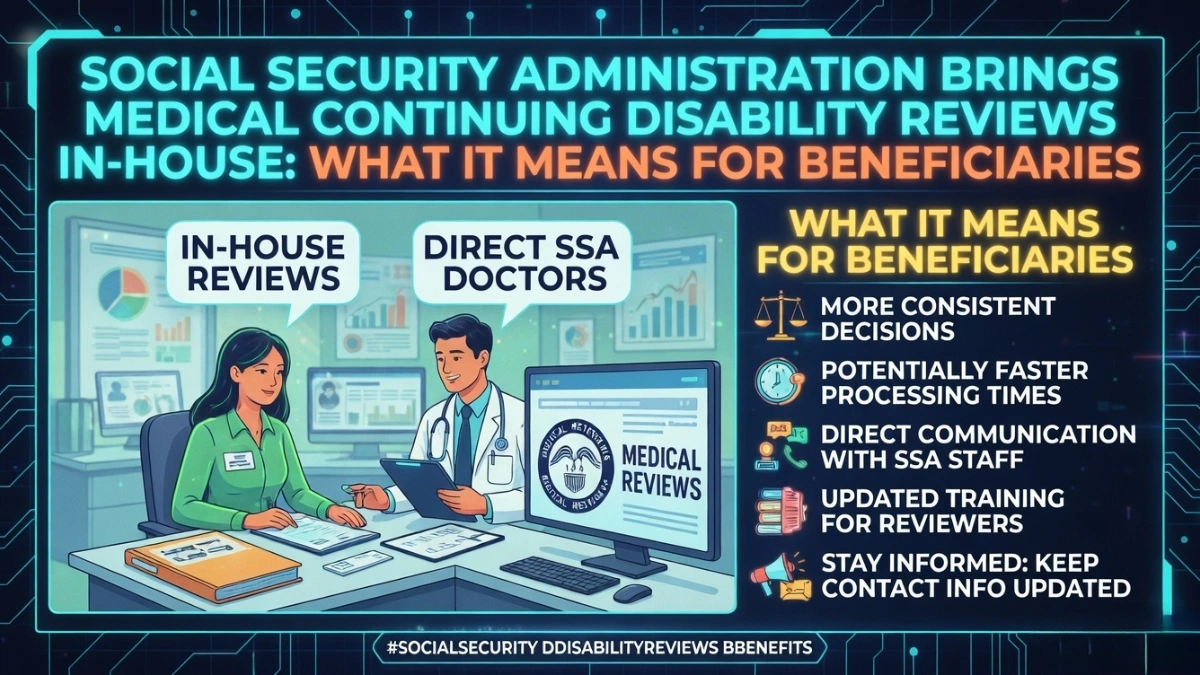
A major shift in how disability benefits are monitored is making headlines in 2026. The Social Security Administration has taken tighter control of Medical Continuing Disability Reviews, a move that could directly affect millions of people receiving disability benefits across the United States. For many beneficiaries, this change brings both uncertainty and urgency. Medical Continuing Disability Reviews, often referred to as CDRs, determine whether individuals still qualify for disability benefits. With the SSA strengthening its oversight, recipients may now face more frequent reviews, stricter evaluations, and potential changes in their benefit status. Understanding what this update means and how it could impact your benefits is crucial right now.
What Are Medical Continuing Disability Reviews
Medical Continuing Disability Reviews are periodic evaluations conducted by the SSA to ensure that individuals receiving disability benefits still meet the eligibility criteria. These reviews assess whether a person’s medical condition has improved, remained the same, or worsened. The SSA uses these reviews to maintain program integrity and ensure that benefits are provided only to those who continue to qualify. Depending on the severity of the condition, reviews can occur every few years or more frequently.
What Has Changed in 2026
In 2026, the SSA has increased its control and oversight of the CDR process. This means more structured review systems, updated verification procedures, and a stronger focus on compliance. The agency is now prioritizing timely reviews and reducing backlogs that built up in previous years. As a result, more beneficiaries may receive review notices than before. Additionally, the evaluation process may involve more detailed medical documentation and stricter scrutiny of eligibility criteria.
Why the SSA Is Making These Changes
The SSA aims to improve efficiency and ensure that disability benefits are distributed fairly. Over time, delays and backlogs in reviews created challenges in monitoring eligibility accurately.
By taking stronger control of the review process, the SSA intends to reduce errors, prevent misuse of benefits, and ensure that resources are allocated to those who truly need them. This move also reflects broader efforts to modernize and strengthen the Social Security system.
Who Will Be Most Affected
The changes are likely to impact current disability beneficiaries the most. Individuals whose conditions are expected to improve may face more frequent reviews. New applicants and recent beneficiaries may also experience stricter initial evaluations and follow-up checks. Long-term recipients with stable conditions may still be reviewed, but the frequency could vary depending on individual cases.
Key Factors That Determine Review Outcomes
- Medical improvement or stability of the condition
- Availability and accuracy of medical records
- Compliance with treatment plans
- Ability to work or perform daily activities
- Consistency in reported information
These factors play a crucial role in determining whether benefits continue or are adjusted.
Comparison of Old vs New CDR Process
| Aspect | Previous System | Updated 2026 System |
|---|---|---|
| Review Frequency | Less consistent | More structured and timely |
| Documentation | Basic requirements | More detailed medical evidence |
| Processing Time | Often delayed | Faster with reduced backlog |
| Oversight | Moderate | Stronger SSA control |
| Beneficiary Impact | Limited reviews | Increased review activity |
This comparison highlights how the updated system is more rigorous and proactive.
What Beneficiaries Should Do Now
With these changes in place, beneficiaries should take proactive steps to ensure they are prepared for any review. Keeping medical records updated and maintaining regular communication with healthcare providers is essential. Accurate documentation can make a significant difference during the review process. It is also important to respond promptly to any notices from the SSA. Ignoring or delaying responses can lead to complications or interruptions in benefits.
Common Concerns Among Recipients
Many beneficiaries are worried about losing their benefits due to stricter reviews. While the SSA aims to ensure fairness, increased scrutiny can create anxiety for those who depend on these payments. Another concern is the complexity of the process. Gathering detailed medical evidence and understanding the requirements can be challenging for some individuals. There is also uncertainty about how frequently reviews will occur and how decisions will be made under the new system.
Why This Update Matters in 2026
This update is significant because it affects financial stability for millions of Americans. Disability benefits are often a primary source of income, and any change in eligibility can have a major impact. The increased focus on reviews means that beneficiaries need to be more aware and prepared than ever before. Staying informed can help reduce stress and ensure compliance with the new rules.
Conclusion
The SSA’s decision to take stronger control of Medical Continuing Disability Reviews marks a major shift in how disability benefits are managed in 2026. While the changes aim to improve fairness and efficiency, they also bring new challenges for beneficiaries. By understanding the updated process, maintaining accurate records, and staying proactive, recipients can better navigate these changes and protect their benefits. Awareness and preparation are key to ensuring continued financial support in this evolving system.
Disclaimer: This article is for informational purposes only and does not represent official SSA confirmation. Always verify details through official Social Security sources.